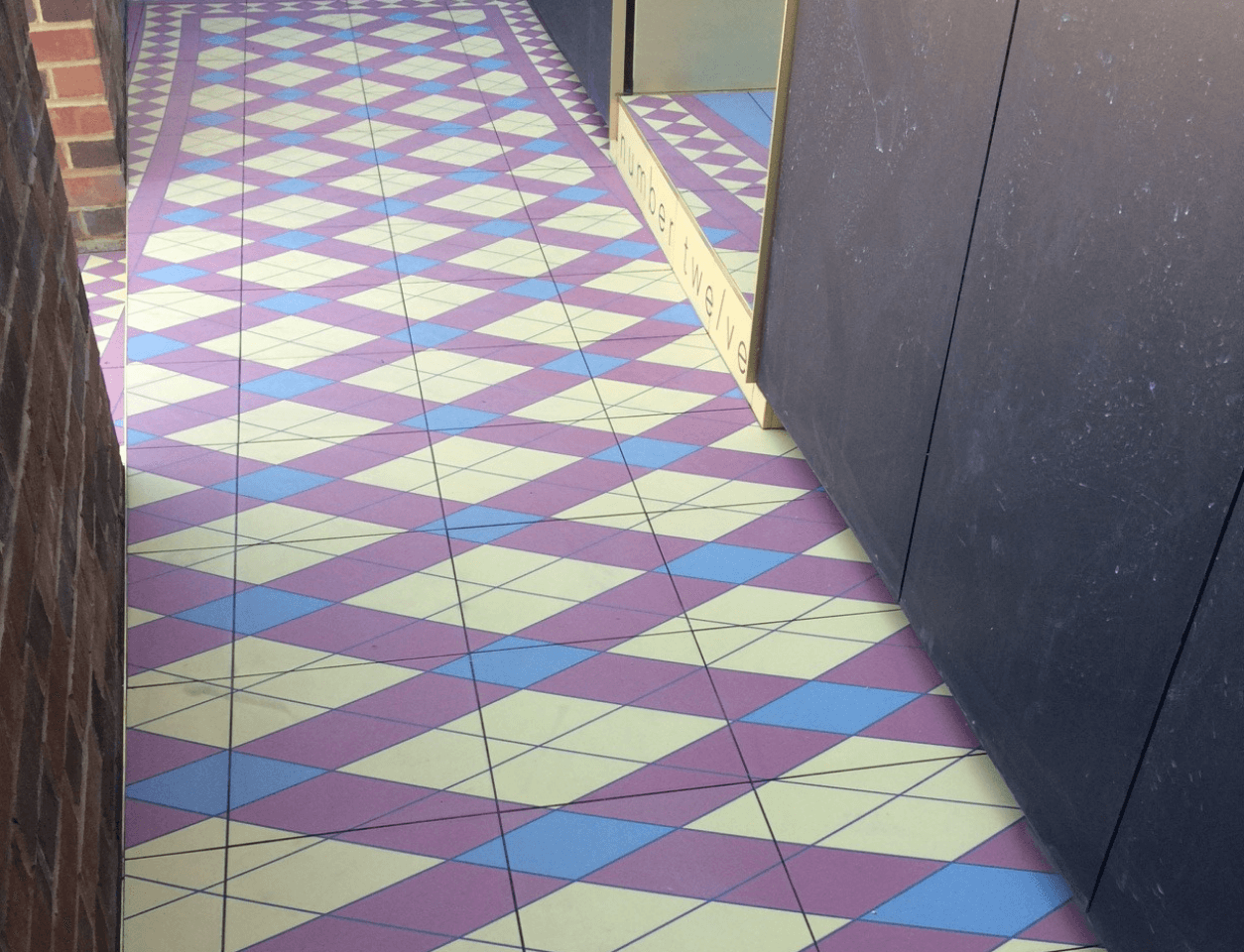
Winter is accompanied by dropping temperatures and rising moisture levels. When your property has outdoor tiles, this poses a challenge.
The reason is because freezing and thawing cycles, excess water, and surface abrasion can all take a toll on outdoor tiles. With the right preparation and care, however, decorative outdoor floor tiles can retain their appearance and do their job, even through the harsh winter months.
This article offers a simple, proactive plan to follow before, during, and after the coldest season of the year.
Before winter arrives
Here are some steps you can carry out during the autumn:
Clean the tiles
Give your outdoor tiles a thorough clean. Remove dirt, algae, and debris with a stiff brush and a suitable cleaner. A clean surface not only prevents stains from setting in, but it also helps to ensure that sealants stay in place.
Seal the tiles and grout
Apply a weather-resistant sealant to the tiles and the grout lines. This will keep out moisture and reduce the risk of cracking when temperatures drop. The more porous the tile, the more it will benefit from sealing.
Improve drainage
Standing water is an enemy of outdoor tile installations in winter! Patios and pathways must slope correctly. Clear out blocked drains or gutters near the area to aid drainage and reduce the chances of water infiltrating into grout and beneath tiles.
Check and repair
Have a look for tiles that have become loose or cracks that have appeared. Fixing these before winter prevents them from getting significantly worse during the coldest month.
During winter
Once winter has arrived, there are a few other steps you can take:
Clear snow carefully
Snow should be removed using a plastic shovel or a soft-bristle broom to avoid scratching the tile surface.
Use gentle ice melt
Be wary of harsh de-icing salts, because they can damage tiles and grout. Choose gentler, tile-safe ice melt products such as calcium magnesium acetate.
Use mats
Place outdoor mats or runners in high-traffic areas to protect the tiles from abrasion and reduce slipping hazards.
When winter is over, there is still work to be done:
Inspect for damage
Once the weather warms up, assess the surface again, looking for chips, cracks, lifted tiles, or worn grout.
Make repairs
Address any issues promptly, re-grouting, resealing or replacing damaged tiles where necessary.