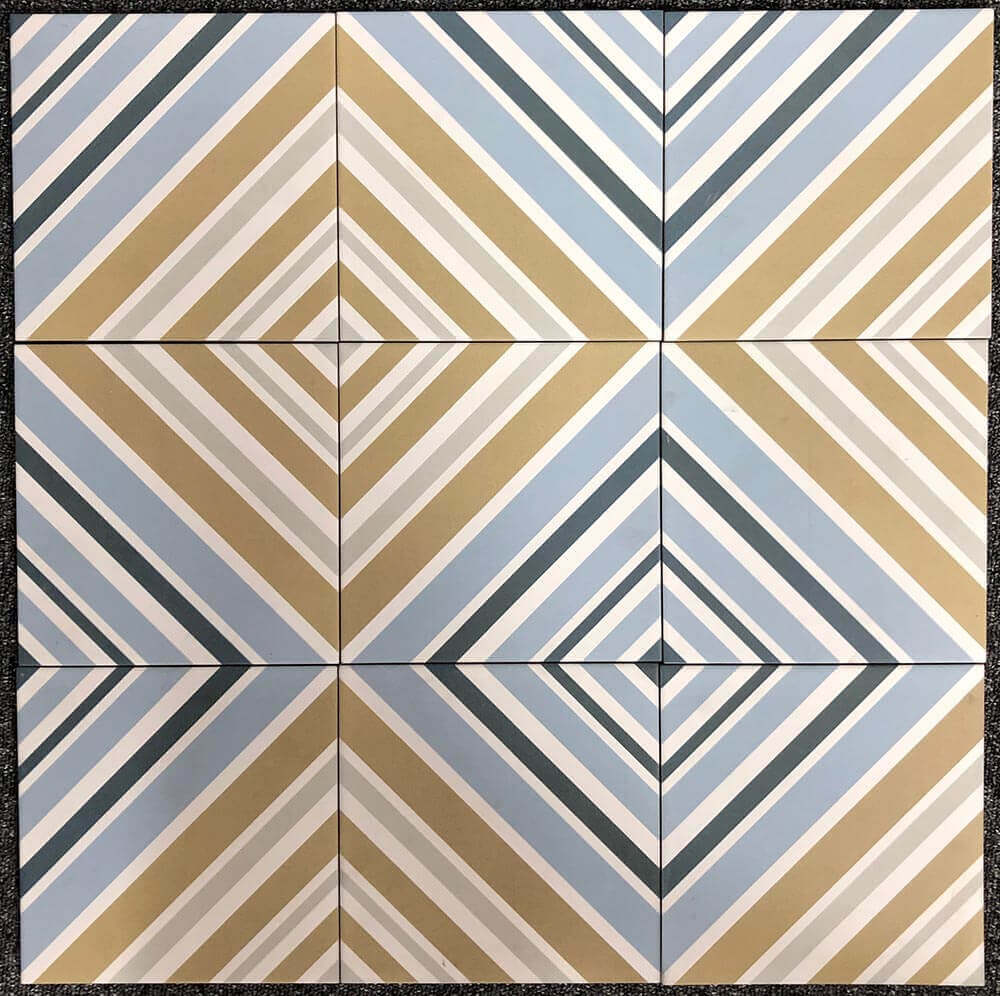
Durable and versatile, ceramic tiles are valued in architecture and interior design.
Their long-lasting attributes are in evidence everywhere. Consider the historic buildings which still showcase original ceramic tilework, and the new builds that use ceramics for an eye-catching contemporary look.
But exactly how long do ceramic tiles last? The quickest answer we can give you is – typically, anywhere in the 20-to-50-year range. But in many cases, quality ceramic tiles can last even longer; all the way up to 100 years.
If you are a commercial interior designer, architect or consultant, read on, because this article discusses what influences ceramic tile lifespan, helping you to understand how long your tiles will last.
Key factors influencing ceramic tile lifespan
There are various factors which influence how long ceramic tiles will last. These include the quality of the tiles, how they are installed, where they are installed and how they are maintained.
Let’s look in more detail at these variables, and how they can impact tile lifespan:
Quality & type
Two varieties of ceramic tiles can have a significant discrepancy in quality. The higher the quality – and density – the more resistance to wear and tear. That’s because these higher-end ceramic tiles have low water absorption rates and stand up better to impact.
You’ll find that less dense ceramic tiles are still durable, but they might show signs of wear more quickly, especially in locations with high foot traffic.
The quality of manufacturing is also relevant when it comes to aesthetics. Advanced ceramic printing fuses designs into the tile surface, and this ensures that the artwork displayed also stands the test of time.
Installation
Unless a ceramic tile is installed adequately, it can’t perform over a long period of time. Tiles must be professionally installed for performance. This means a properly prepared subfloor, correct adhesive, accurate spacing, and application of grout. Well-installed tiles have much less chance of cracking or lifting, and there is a reduced chance of moisture ingress.
Traffic
The level of traffic in an area where tiles are installed has an impact on their lifespan. Where there is constant footfall – think corridors, kitchens, receptions or hotel lobbies – there is likely to be more impact.
For this reason, ceramic tiles installed in areas with high traffic can last between 20 and 30 years before they begin to show signs of wear.
If ceramic tiles are installed in an area with less traffic – and therefore, fewer impacts – they can remain unchanged for a much longer period of time. This applies to bathroom or feature walls, as well as rooms which are not used on a daily basis.
Maintenance
You might think of ceramic tiles as very low maintenance, but that doesn’t mean that they don’t need regular care.
In order to prolong their lifespan, ceramic tiles need regular care and routine cleaning to prevent the build-up of dirt. They should also be sealed at all times with grout, as this will help to block moisture and stains, as well as bacteria.
Typical lifespans by area
As we’ve discussed, the lifespan of ceramic tiles is influenced by the type of area in which they are installed. Every project is different, but you can use the general benchmarks below as a guide:
Bathroom walls / backsplashes: 50+ years
As they are not subject to any foot traffic, and because of their inherent moisture-resistant properties, ceramic tiles in these areas can last for decades with limited deterioration.
Kitchen floors: 20–30 years
The opposite is true of kitchen floors. On a daily basis, kitchen floors can be subject to heavy foot traffic, dropped items, and spills. They also require frequent cleaning. This can mean that they have a shorter lifespan in contrast to wall applications.
General floors: 20–50+ years
In other areas, such as corridors and reception rooms, longevity will vary and can depend on the key factors we have discussed; traffic levels, tile quality, installation, and maintenance routines.
A savvy investment in durability
When considering ceramic tiles for commercial projects, we recommend a product with high slip resistance. Tiles with high anti-slip ratings meet safety standards and also perform better over time in both high-use and wet environments.
With their ability to last decades and world of design options; custom ceramic tiles look set to remain an interior design favourite.